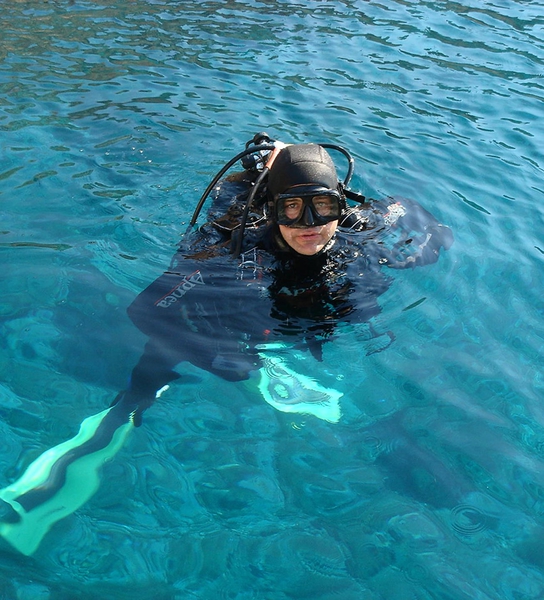
Underwater film shooting is defined by a fundamental reality: it takes place in an environment that is not naturally suited to human presence. Unlike land-based productions, where movement, communication, and endurance are taken for granted, the underwater world introduces a series of physical and logistical constraints that shape every aspect of the filming process.
Water, as a medium, is dramatically different from air. It is approximately 800 times more dense, creating constant resistance against both the human body and any equipment in use. This density makes even the simplest movements slower, more deliberate, and significantly more demanding. When combined with the weight and complexity of professional filming gear—underwater housings, cameras, lighting systems, and safety equipment—the challenge increases exponentially. What might be a smooth and effortless camera movement on land becomes a highly controlled and physically taxing operation underwater. Precision, buoyancy control, and stability must all be maintained simultaneously, often in conditions affected by currents, depth, and limited visibility.
Temperature is another critical factor that directly impacts performance and safety. Our body loses heat approximately 25 times faster in water than in air of the same temperature. This rapid heat loss leads to quicker fatigue, reduced dexterity, and a significant drain on energy levels. Even in relatively warm seas, prolonged exposure can affect both physical and cognitive performance. As a result, thermal protection through specialized diving suits is essential, yet it does not eliminate the inherent limitation on how long a crew can effectively operate underwater.
Communication, a cornerstone of any film production, becomes particularly challenging beneath the surface. While on land, directors and crew rely on immediate verbal interaction, underwater communication is restricted and often indirect. Specialized communication systems do exist, but they introduce additional layers of complexity, including extra equipment, technical limitations, and reduced mobility. In many cases, teams must depend on pre-arranged hand signals, detailed planning, and rehearsals conducted before the dive. This requires a high level of coordination and mutual understanding among all participants, as real-time adjustments are limited.
All of these factors ultimately converge into the most defining constraint of underwater filmmaking: time. Each dive is governed by strict limits, determined by air supply, decompression requirements, temperature exposure, and physical endurance. Unlike terrestrial productions, where schedules can be extended or adapted, underwater shoots must operate within narrow and carefully calculated time windows. Efficiency, preparation, and precision are therefore not just desirable—they are essential.
In essence, underwater cinematography is a discipline that demands a unique combination of technical expertise, physical resilience, and meticulous planning. It transforms filmmaking into a carefully orchestrated operation, where every movement is intentional and every second is valuable. These challenges are precisely what make underwater filming so distinctive, enabling the capture of a world that is as demanding to access as it is extraordinary to reveal.
